First Trimester
The freezer guide
Here's my plan: cook now, so that future me (tired, holding a baby, possibly wearing yesterday's shirt) can have a real dinner in about the time it takes to find the remote.
That's what this page is. Everything I've learned about stocking the freezer before the baby comes: how to freeze food so it actually tastes good later, how to label it so you know what the frozen brick is, how long things keep, and how to thaw and reheat safely.
Each one tells you how to freeze it, how long it keeps and how to reheat it.
Want to fill the freezer in one afternoon? My prep-day plans put a few of these recipes together with one shopping list, a cook order and labels.
See the prep-day plansDon't let cooked food sit out on the counter for more than 2 hours (1 hour if it's over 90°F). Split a big pot of soup or chili into smaller, shallow containers so it cools quickly. Hot food can go straight into the fridge, or you can chill it fast in an ice-water bath first.
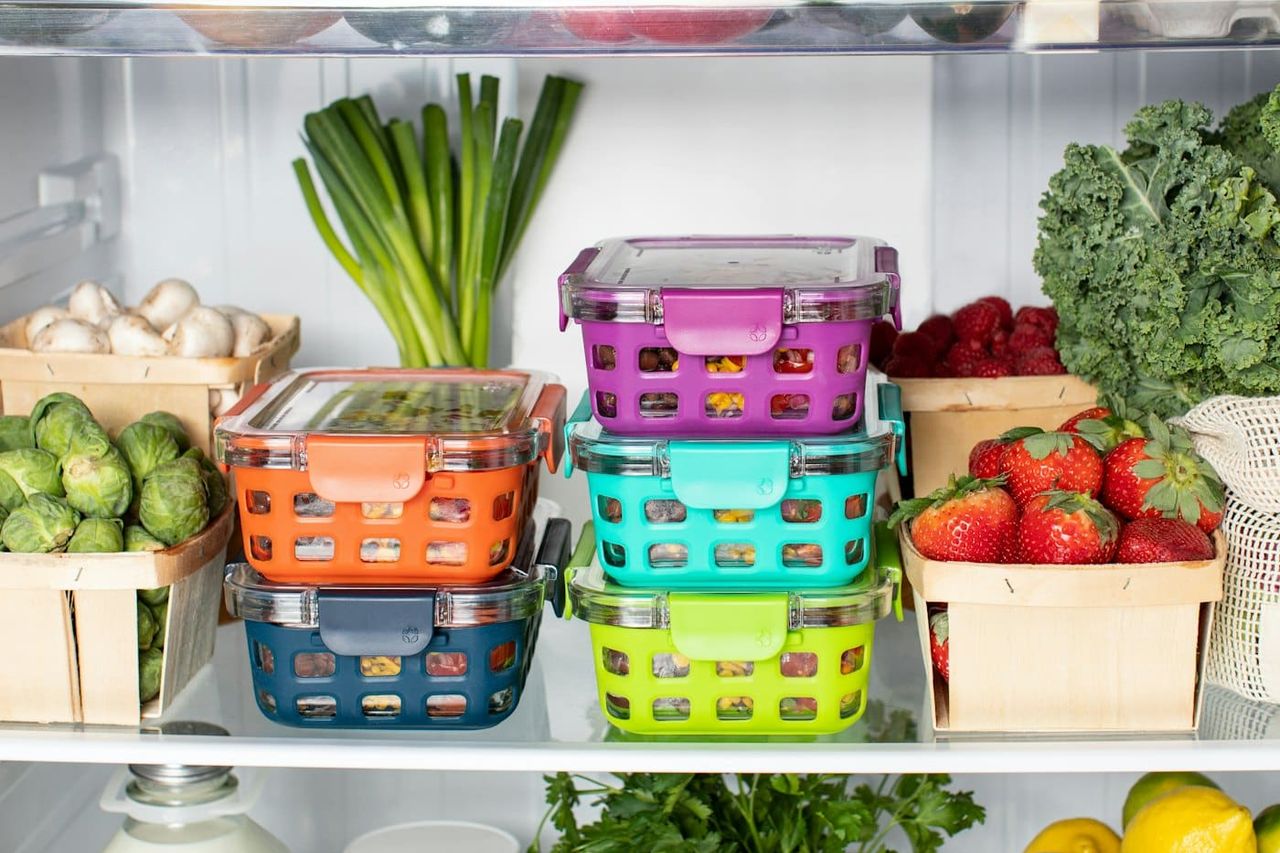
Pack it in the amount you'll eat at one meal. Then you only thaw what you need. I like a mix: a few two-serving bags for us, and a few single portions for the 2 a.m. "I'm starving" moments.
Use airtight containers or bags made for the freezer, and squeeze out as much air as you can. Air is what causes freezer burn. Freezer burn won't make food unsafe, just dry and sad in spots.
Lay bags flat in a single layer until they're frozen solid, then stack them (or line them up like files). Don't stack warm packages; spread them out so the cold air can get around them. Thin, flat food freezes faster, which keeps the texture better. Bonus: flat bags also thaw faster, and you can fit a ridiculous number of them in a small freezer.
Soups, stews and sauces expand as they freeze. In a wide-mouth container, leave about ½ inch at the top of a pint and about 1 inch at the top of a quart so the lid doesn't pop. In a bag, leave a little room at the top and press out the air before you seal it.
Food stays safe at 0°F or colder. A cheap appliance thermometer in the freezer tells you for sure.
Trust me on this one. Every frozen bag of food looks the same after two weeks. Write on every bag:
Use a permanent marker or freezer labels. Example:
Chicken soup · 2 servings · Frozen Nov 9 · Thaw in fridge overnight, heat on the stove until it boils.
Use the oldest stuff first. First in, first out. I keep a running list taped to the freezer door so I'm not digging around with the door open.
Printable labels and a freezer-door list are in my free freezer-before-baby kit.
Good news first: food kept frozen at 0°F stays safe indefinitely. The times below are forbest quality. After that it's still safe to eat, it just starts to get drier, blander or a little freezer-burned.
| Food | Best quality at 0°F |
|---|---|
| Cooked meals and leftovers | |
| Soups and stews | 2 to 3 months |
| Casseroles | 2 to 3 months |
| Egg casseroles and quiche (baked) | 2 to 3 months |
| Cooked meat or poultry (leftovers) | 2 to 6 months |
| Gravy (meat or poultry) | 2 to 3 months |
| Store-bought frozen dinners | 3 to 4 months |
| Pizza | 1 to 2 months |
| Chicken nuggets or patties | 1 to 3 months |
| Meat and poultry | |
| Raw ground beef, turkey or chicken | 3 to 4 months |
| Raw steaks, chops and roasts | 4 to 12 months |
| Raw chicken or turkey pieces | 9 months |
| Raw whole chicken or turkey | 1 year |
| Bacon | 1 month |
| Raw sausage | 1 to 2 months |
| Hot dogs and lunch meat | 1 to 2 months |
| Fish and seafood | |
| Fatty fish (salmon, tuna, mackerel) | 2 to 3 months |
| Lean fish (cod, flounder, haddock, halibut, sole) | 6 to 8 months |
| Shrimp | 6 to 18 months |
| Bread, fruit and baking | |
| Homemade bread | 3 months |
| Homemade muffins | 2 to 3 months |
| Strawberries, raspberries, blueberries | 8 to 12 months |
| Bananas | 2 to 3 months |
| Pumpkin or pecan pie (baked) | 1 to 2 months |
Some things just don't freeze well. Mayo-based salads (egg, chicken, tuna, macaroni), cream sauces, lettuce, hard-boiled eggs and custard pies all come out watery or weird. Raw eggs in the shell shouldn't be frozen at all.
There are three safe ways to thaw: in the fridge, in cold water, or in the microwave.Never thaw on the counter, in hot water, or anywhere like the garage or the car.
Slow, but the food stays safe the whole time. Small things thaw overnight. Most things take a day or two. Even a pound of ground meat needs a full day. Thawed leftovers should be eaten within 3 to 4 days. Food thawed in the fridge can go back in the freezer without cooking it first (it may lose a little quality).
Keep the food in a leak-proof bag and submerge it in cold tap water. Change the water every 30 minutes. A 1-pound bag can thaw in an hour or less; a 3- to 4-pound package takes 2 to 3 hours. Cook it right away once it's thawed.
Cook or reheat the food right away, because parts of it start to warm up while it thaws.
It's safe to cook or reheat food straight from frozen. Raw meat takes about 50% longer to cook. Soups and stews can go straight into a saucepan, and casseroles straight into the oven; they'll just take longer.
Reheat leftovers to 165°F, checked with a food thermometer. (This is why there's a meat thermometer on my Gear I Use page. It's not just for steak.)
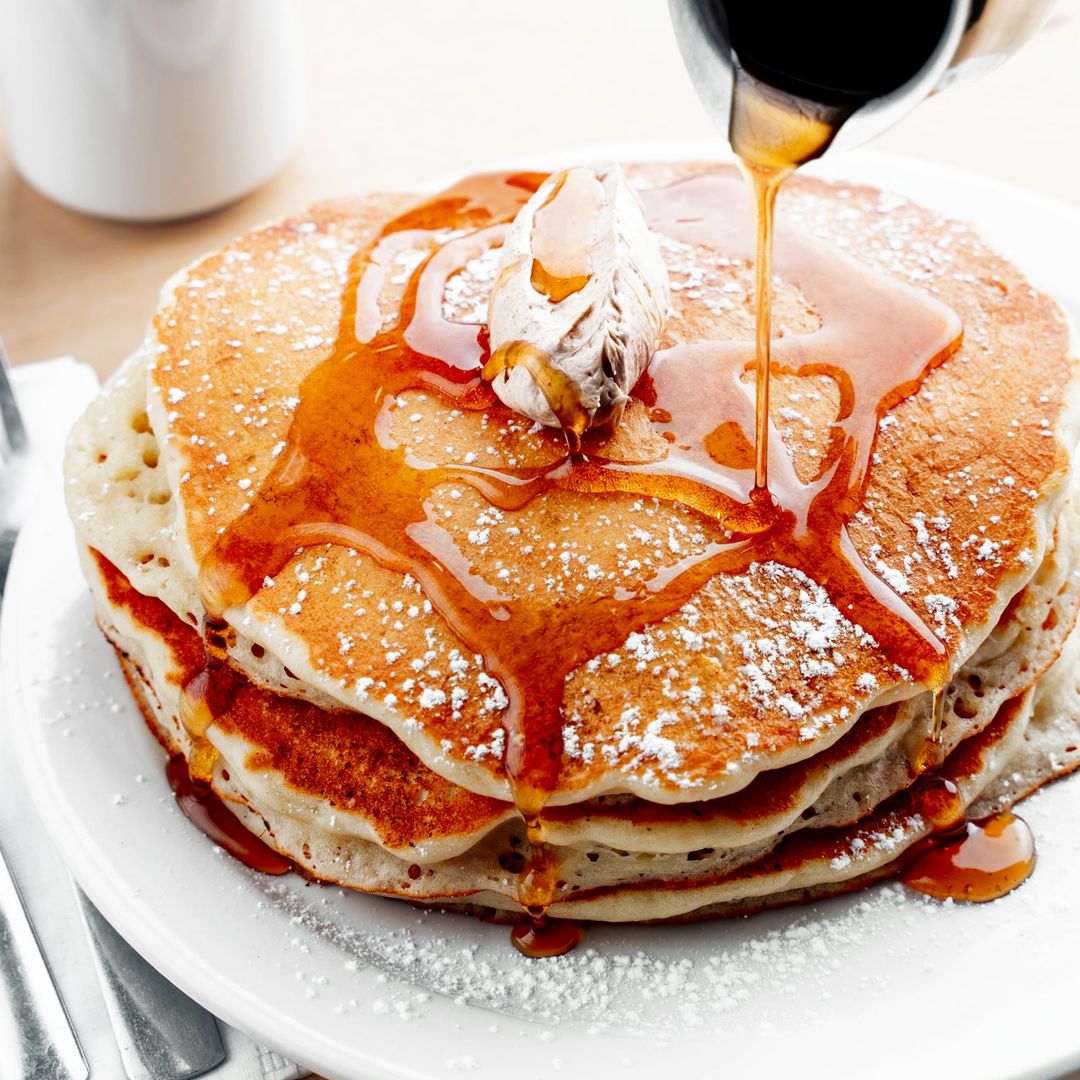
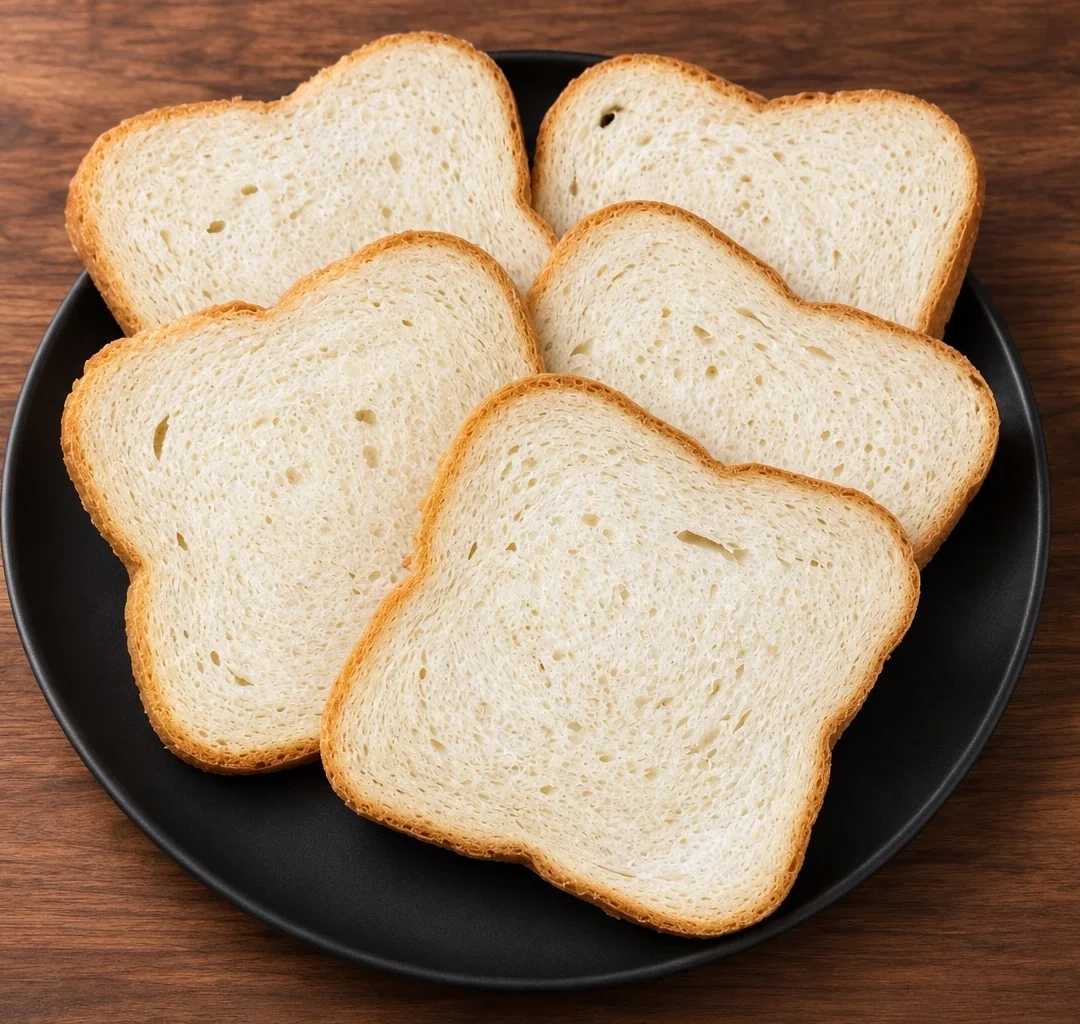
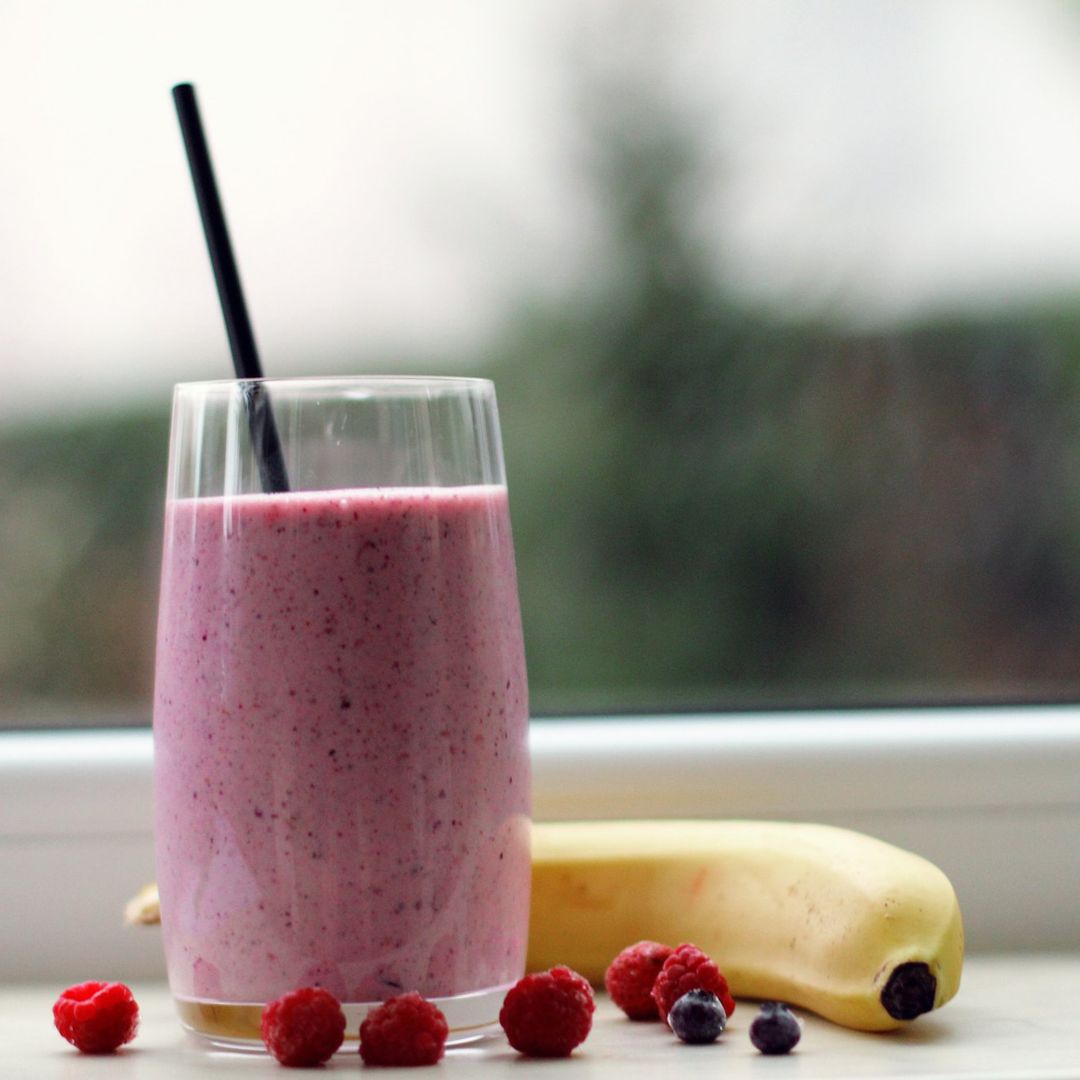
Recipes:BreadSmoothie packsPancakes
Your ticks are saved on this device.
Want it on paper? Print my free freezer-before-baby kit: this checklist, a freezer inventory for the door and labels for your bags.
Food kept frozen at 0°F stays safe indefinitely. The times in my keep-times table are for best quality: soups, stews and casseroles taste their best for 2 to 3 months. After that it's still safe to eat, it just starts to get drier, blander or a little freezer-burned.
I'm a dad who cooks, not a doctor. For reheating, we follow the USDA: reheat leftovers to 165°F, checked with a food thermometer, and bring soups, sauces and gravies to a rolling boil. Your own doctor or midwife always has the final word.
How to reheat leftovers safelyUSDA: Leftovers and food safety (opens in a new tab)
The food-safety facts on this page come from these official pages. When in doubt, throw it out.